
When Humanoid Robots Arrive, Will Your Building Be Ready?
The infrastructure humanoid robots need already exists. Digital twins. Spatial maps. Occupancy intelligence. When the next generation of facility automation walks through your doors, your building will already know every room, every route, and every constraint.
Humanoid Robot Integration — Coming 2026
SiteIQ is building the spatial intelligence infrastructure that commercial humanoid robots will need. Your building will be ready.
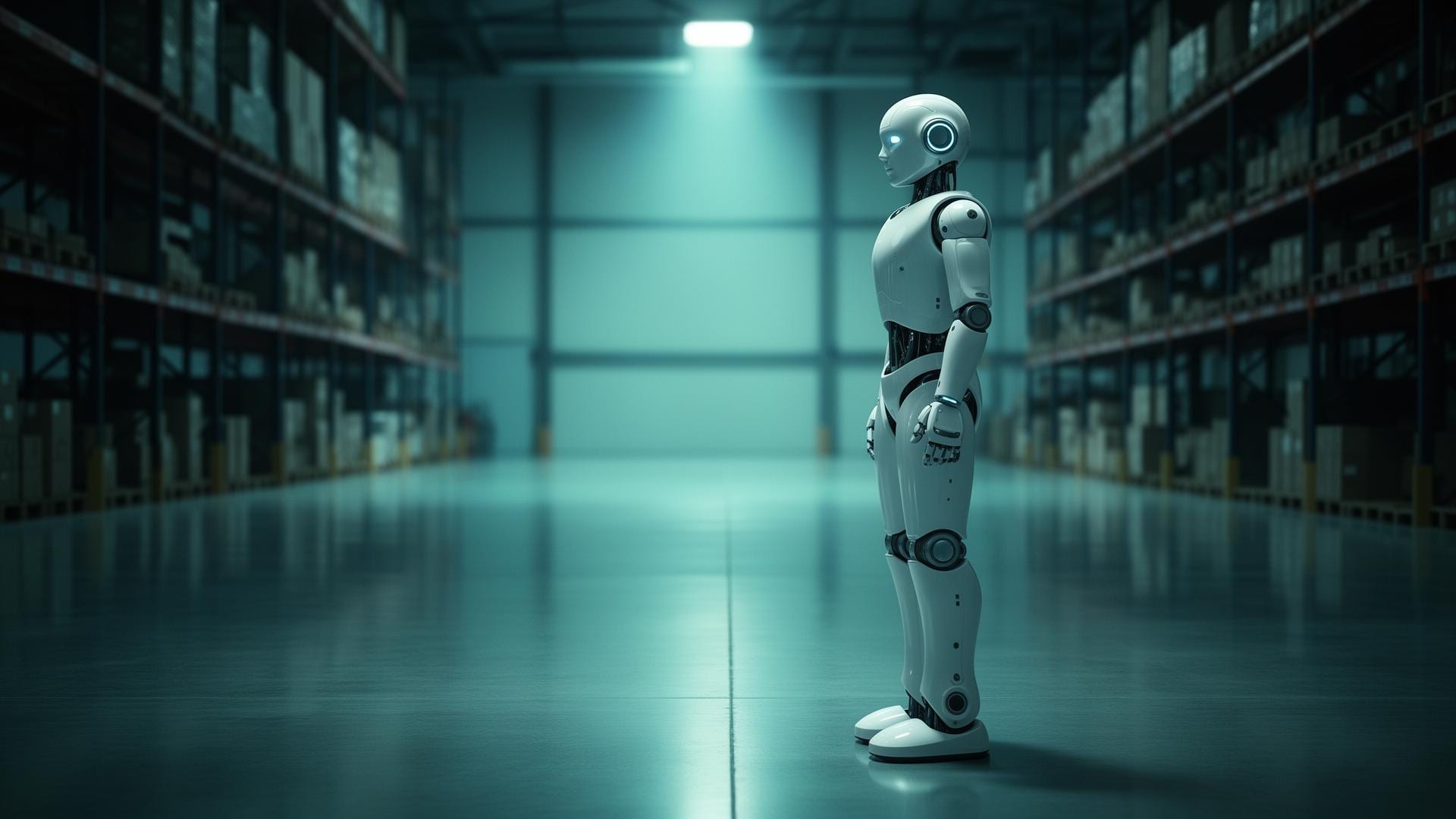
Humanoids are coming. The buildings they enter need to be ready.
Every Humanoid Robot Will Need a Spatial Brain. We Are Building It.
The headlines are about the hardware. The bottleneck is the buildings. Most facilities have no current spatial map, no real-time occupancy data, and no record of how their spaces are actually used. A humanoid that walks into that environment is blind.
The companies that win the humanoid era will not be the ones that buy the first robot. They will be the ones that spent the prior five years instrumenting their buildings — so when the robot arrives, the building already knows itself.
What humanoids will need on day one.
3D Digital Twin
Humanoids navigate by referencing a spatial model — not by improvising. The twin is the map they read every step.
Real-Time Occupancy
Robot safety in human environments depends on knowing where people are, right now, with sub-second resolution.
Path Intelligence
Predicting how people move through space is what makes a humanoid feel competent instead of clumsy.
Collaborative Dispatch
A humanoid is a teammate. It needs a task graph, a queue, and a coordinator that understands every other system on the floor.
Every product we ship today is humanoid-ready infrastructure.
Our customers do not buy SiteIQ for humanoid robots. They buy it for verifiable savings, defensible documentation, and unified operations — and the humanoid-ready substrate is the bonus that compounds underneath.
3D Scanners
Today's digital twin is tomorrow's humanoid map — capture it once, use it for a decade.
IoT Sensors
Occupancy and environmental telemetry that humanoids will read directly from your Spatial Knowledge Graph.
Cleaning & Outdoor Robots
The dispatch, fleet management, and safety patterns we deploy today are the same patterns humanoids will join.
Spatial Knowledge Graph
The data layer that turns a building from a place into an addressable, query-able operating environment.
The Path From Today to General-Purpose Humanoids
Single-Task Robots
Cleaning robots, outdoor robots, fixed-mount IoT. Each device proves out the dispatch, telemetry, and spatial layer humanoids will inherit.
Multi-Task Platforms
Modular robots that handle adjacent jobs on one chassis. Fleet coordination matures. Spatial graphs become the default substrate.
General-Purpose Humanoids
Bipedal, dexterous, conversational. They walk into buildings already mapped, instrumented, and operationally instrumented — and start working on day one.